
HORMONAL IMBALANCE AND DIETARY MANAGEMENT
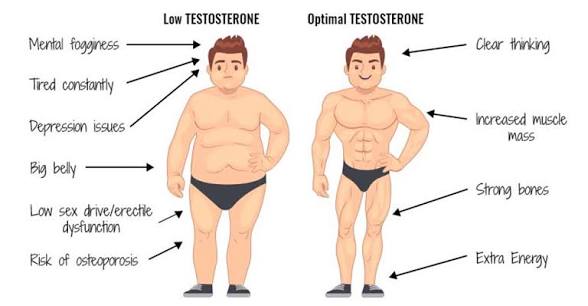
Hormonal imbalance occurs when there is production of too much or too little of one or more hormones in the body. Hormones are chemical messengers produced by the endocrine glands that regulate metabolism, growth, reproduction, mood, sleep, blood sugar, and many other body functions. Hormonal imbalance can occur both in men and women, although it is commonly associated with women. Men can also go through hormonal imbalance and the common ones in men is the HYPOGONADISM (also referred to as “Low T” or low testosterone).
The most common type of hormonal imbalance occurs in women. Some hormonal imbalances can be temporary while some can be chronic(ie long term). Also many medical conditions are caused by hormone issues. Although many of these imbalances require treatment, some can be temporary like I said and may go away on their own.
There are many types of hormonal imbalance and they include:
- Polyendocrine metabolic ovarian syndrome (PMOS formerly known as PCOS)
- Hyperprolactinemia
- Thyroid hormone disorders
- Insulin resistance and type 2 diabetes
- Cortisol imbalance ( also know as stress hormone)
You can read more on:ÂTYPE 2 DIABETES
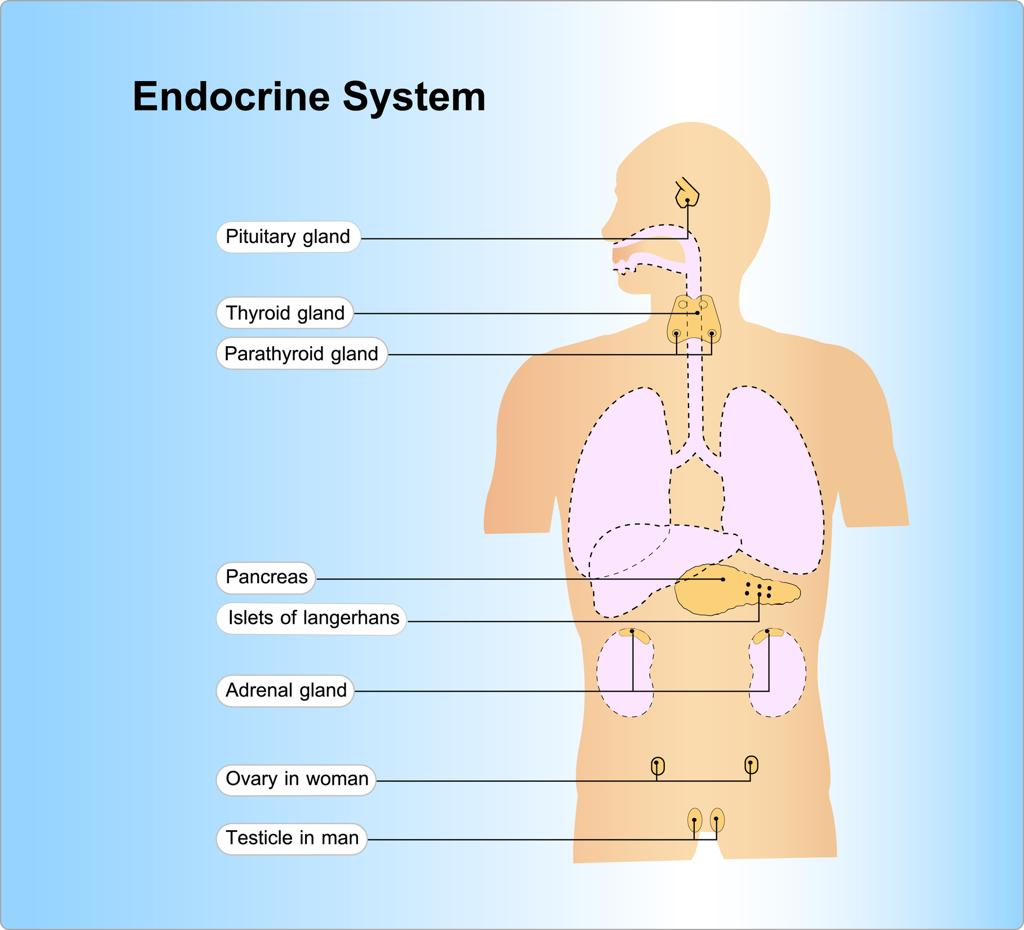
The symptoms of each type of hormonal imbalance varies and also their dietary management. Also there are some major glands that secretes hormones in the body and they are:
- Hypothalamus
- Pituitary glands
- Ovaries( in females)
- Testes( in male)
- Pancreas
- Adrenal glands
- Parathyroid glands
- Thyroid gland
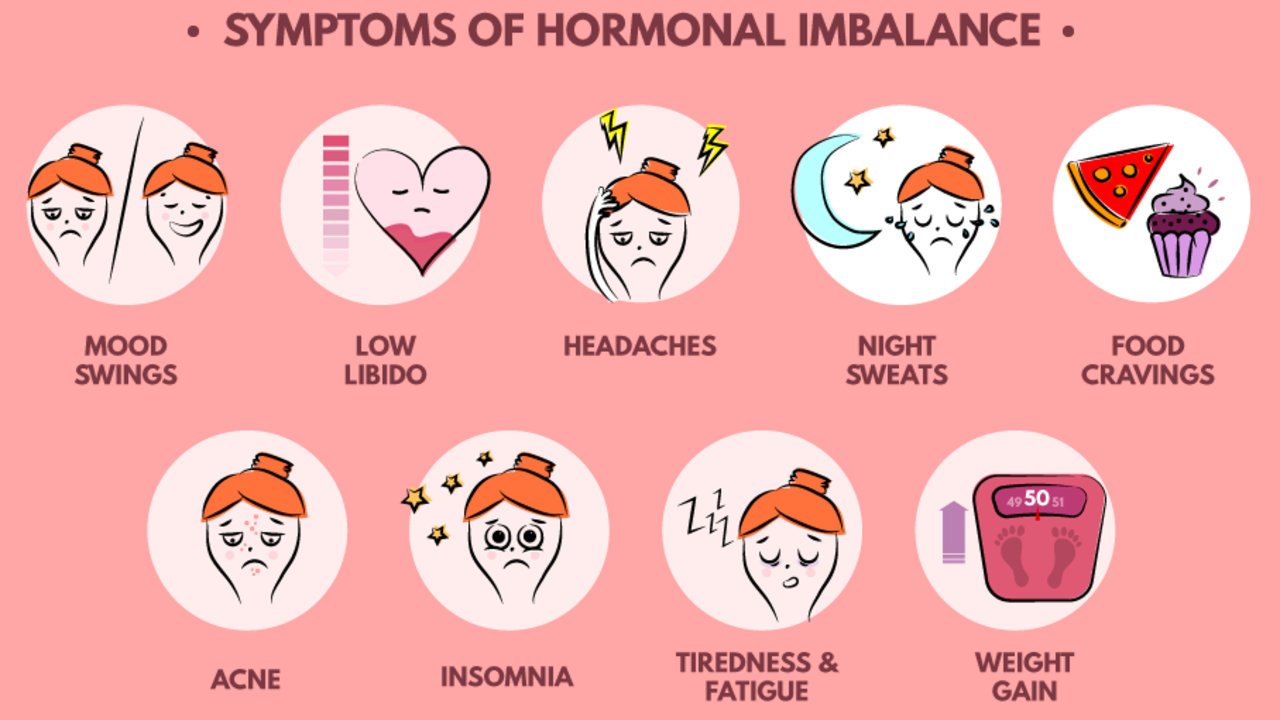
The common symptoms of hormonal imbalance are; weight gain or weight loss, irregular menstruation, hirsutism(facial hair growth),acne, diabetes, thyroid disease and so on. To check hormone levels, healthcare providers typically orders blood tests since the endocrine glands releases hormones directly into the bloodstream.
Treatment and management of hormonal imbalance depends on what is causing it. For lower than normal hormones, the main treatment is hormone replacement therapy while for higher hormones than normal, the treatment also varies depending on the causes. While many hormonal imbalances cannot be prevented, there are still some things you can do to optimize overall health that can keel your hormones in check and they are:
- Maintaining a healthy weight
- Regular exercise
- Eating healthy and balanced meal
- Managing stress
- Avoid smoking or use of tobacco products
- Managing chronic health conditions well
- Getting enough and quality sleep
The types of hormonal imbalance with their treatment and nutritional management will be discussed one by one in my next study.
Read more on : THE EFFECT OF DIETARY FIBRES ON THE RISK OF TYPE 2 DIABETES
Don’t forget to leave a comment 🥰


Leave a Reply